
REVIEW · HANOI MOTORCYCLE TOURS
3D2N- Rice Terraces Treks & Easy rider from Sa Pa
Go beyond Sa Pa’s crowded trails. This three-day trip takes you into Mu Cang Chai, where terraced fields, mountain streams, bamboo groves, and H’mong villages replace the usual tourist circuit. I like the mix of a full-day motorbike outing and a separate full-day trek. I also like that your stay supports a local family in a traditional stilt house.
The main trade-off is comfort. You spend about six to seven hours on a bus from Sa Pa, sleep on a thin mattress in a shared room, and ride over some rough mountain roads. If you want polished hotels and easy transport, this is not the right fit. If you value local contact and dramatic scenery, the rough edges are part of the deal.
Key points to know before booking
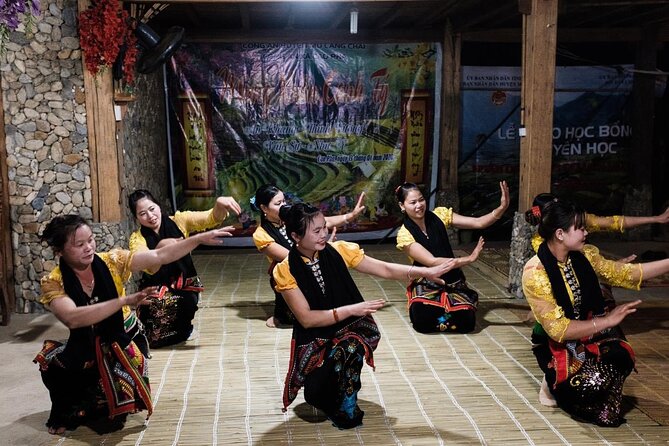
- Khau Pha Pass is your base: You sleep in a traditional Thai stilt house near the pass, with mountain views and family-cooked meals.
- Two very different days outdoors: Day two uses a pillion motorbike and local rider, while day three follows mountain paths on foot.
- Mu Cang Chai is the star: Mam Xoi Hill, Mong Ngua Hill, Lim Mong Valley, and the rice terraces provide the main visual rewards.
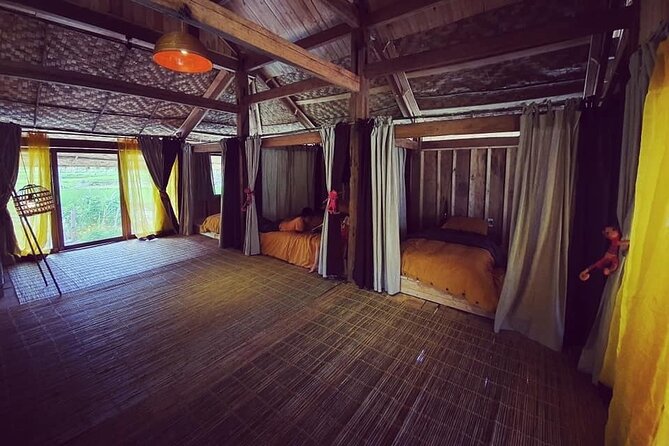
- The homestay is communal: There is no private room. You sleep on an individual mattress on the floor of a large shared area.
- The bus journey takes time: The route from Sa Pa to Khau Pha takes roughly six to seven hours, then you continue by motorbike to the village.
- It suits reasonably fit visitors: Expect stream crossings, narrow paths, uneven ground, and several hours of walking.
Why Mu Cang Chai feels different from Sa Pa
Sa Pa is easier to reach and has a much larger tourism scene. Mu Cang Chai feels more remote and less packaged. The trip carries you into a part of northern Vietnam where H’mong and Thai communities still shape daily life, farming, food, and accommodation.
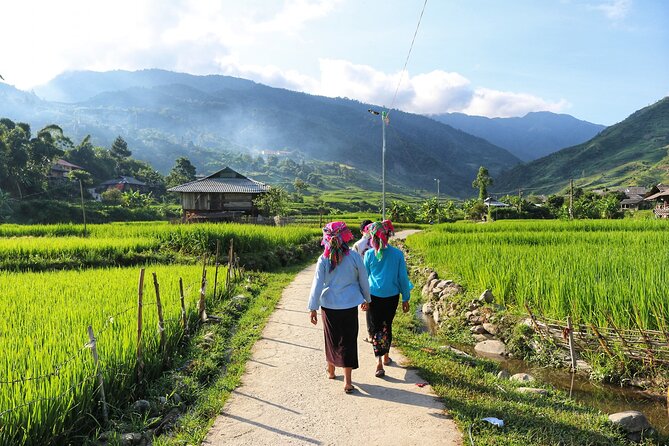
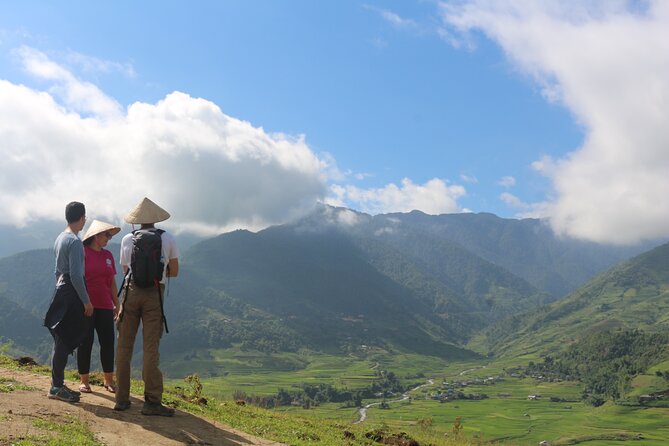
The main attraction is not one monument. It is the changing view from the road and trail: rice terraces cut into steep slopes, valleys seen from high passes, small streams, and villages reached by narrow routes. You are not simply stopping for photographs. You are moving through the setting by motorbike and on foot.
That makes this a good choice if you want a closer look at rural life. You visit a H’mong family, walk through village areas, and spend the night with a local family. The trip also supports a small community-based tourism project rather than keeping you in a standard hotel zone.
The timing matters. From the end of September to the middle of October, the rice terraces are at their most famous seasonal display. At that point, the best-known viewpoints can be busy. Your guide may use alternative viewpoints near Mam Xoi and Mong Ngua, which can offer equally strong views with fewer people around.
More Easy Rider Tours in Hanoi
- From Hanoi: 3-Day Motorbike Ha Giang Loop with Easy Rider
★ 4.9 · 501 reviews - 3-Day Ha Giang Loop Tour (small group with easy rider)
★ 5.0 · 411 reviews - 3-day Motorbike Ha Giang Loop Luxury Tour With Easy Rider
★ 4.9 · 298 reviews
Day one: the long ride from Sa Pa to Khau Pha
The local bus leaves at 9 AM from 599 Dien Bien Phu in Sa Pa town. Arrive at least 15 minutes early. This is not a short transfer. You should expect six to seven hours on the road, with a couple of breaks before reaching Khau Pha at about 3 PM.
The long journey is the weakest part of the schedule, but it serves a purpose. You are moving from Sa Pa into Mu Cang Chai rather than spending the whole trip near the better-known trekking hub. Bring water, snacks, and something warm for the bus. Personal drinks and snacks are not included.
At Khau Pha, the homestay owner collects you by motorbike and takes you down to the village. That final transfer gives you an early taste of local transport. It also means you should pack sensibly. A large suitcase is awkward on a motorbike and less useful in a communal homestay.
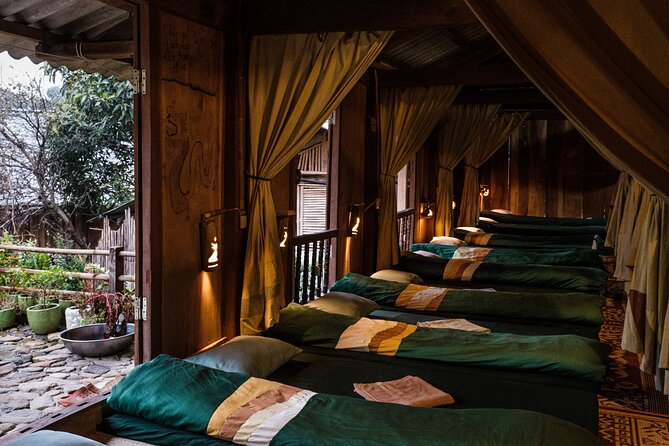
Your accommodation is a traditional house on stilts run by a local family. You sleep on the floor in a shared area, using an individual mattress. The mattress is described as thin but adequate, so pack with simple expectations. This is a cultural stay, not a private-room hotel.
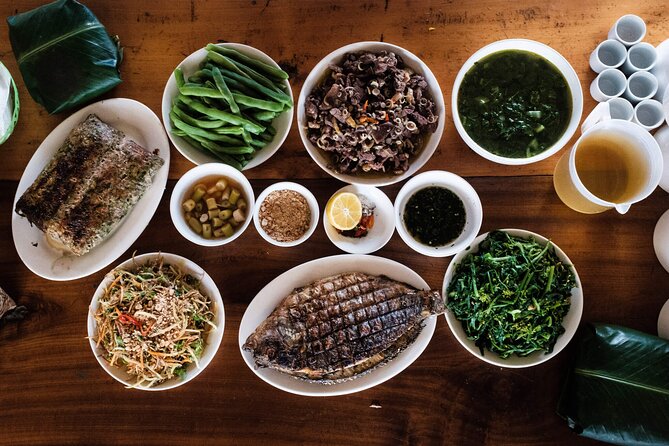
Dinner is included, as are breakfast and dinner on the other days. The food is prepared by the family, including a Thai-style dinner on the second night. The value here comes from the setting and direct connection with the family, not from hotel comforts.
Day two: motorbike roads, H’mong villages, and bamboo
After breakfast, you ride with a local driver toward Mu Cang Chai town, passing over Khau Pha Pass. You can arrange the order of your two main activities in advance: the pillion motorbike day or the trekking day. The published schedule places the motorbike tour first, but you should confirm your preferred order when booking.
The morning begins near the outskirts of Mu Cang Chai. You visit a village with a large system of rice terraces and meet a H’mong family. The visit is valuable because it adds human context to the scenery. You are not just looking down at fields from a viewpoint. You have a chance to stroll through the village and learn about local culture.
After that comes a bamboo forest. The dense, tidy rows are compared with Kyoto’s Arashiyama Bamboo Grove, though this is a much quieter rural setting. You stop beneath the bamboo for a picnic lunch. Lunch is included, but bring a drink because beverages and personal purchases are your responsibility.
The motorbike is an excellent way to cover ground here. It lets you reach several viewpoints in one day, including Mam Xoi Hill, Mong Ngua Hill in La Pan Tan Commune, and Che Cu Nha Commune. You see more than you could comfortably reach on foot in the same time.
Still, the ride is not always smooth. Some roads are quite bumpy, so you should be comfortable riding as a pillion passenger. If you dislike motorcycles, have back problems, or want a slow walking day, this part deserves careful thought.
Mam Xoi Hill and the famous terrace views
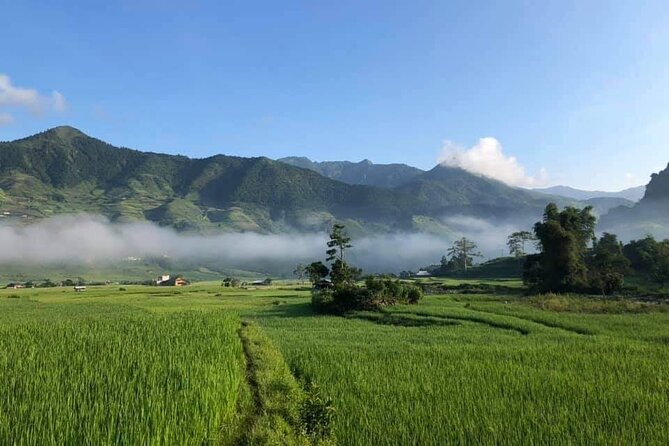
Mam Xoi Hill is one of Mu Cang Chai’s signature viewpoints. Mong Ngua Hill provides another broad view of the stepped rice fields. The exact appearance changes with the season, which is why the late September to mid-October period draws particular interest.
The road to these sites can be rough, but the reward is scale. From above, the terraces show how carefully farmers have shaped steep mountain slopes for rice cultivation. The viewpoints are photograph-friendly, but the most useful part of having a local guide is knowing when to use a less famous alternative.
During the busiest part of the season, your guide may skip the standard stops and take you to other points near Mam Xoi and Mong Ngua. That can be a smart move. You may miss the exact postcard location, but you could gain more space and a quieter view.
On the return route, you stop at the top of Khau Pha Pass. From here, you look over Lim Mong Valley and the rice terraces below. Khau Pha is also known as a major paragliding location in Vietnam, though paragliding is not included in this trip. The pass is the right place to pause and understand the area’s scale before returning to the homestay.
Back at the village, dinner is included and you spend a second night in the shared stilt house. This evening is a useful point to slow down. The first day was mostly transport, and the second involves a long motorbike circuit. The homestay provides a quieter rural rhythm.
More Multi-Day Motorcycle Tours in Hanoi
- From Hanoi: 2-Day 2-Night Ha Giang Loop Motorbike Tour
★ 4.9 · 145 reviews - 4-Day Ha Giang Loop Tour (small group with easy rider)
★ 5.0 · 137 reviews - From Hanoi: Ha Giang Loop 3-Day Self-Driving Motorbike Tour
★ 4.9 · 113 reviews - 4-day Motorbike Ha Giang Loop Luxury Tour With Easy Rider
★ 4.8 · 90 reviews
Day three: a creek-side trek through Lim Mong Valley
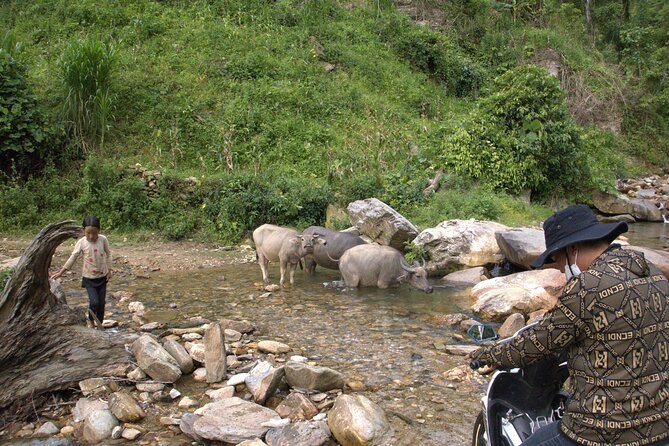
The trek begins early, at about 7 AM. You ride from the homestay to Ta Dzong village on the other side of Lim Mong Valley. The early departure gives you morning views across the valley before the walking section starts.
From Ta Dzong, the route follows a narrow path toward Nam Kim Stream. You pass mountains, winding water, and H’mong rice terraces. The trail then reaches a small creek, where you rest after more than an hour of walking.
You cross a small suspension bridge and continue along a road with rice terraces on both sides. The route leads uphill toward Khao Nha Duoi village, a high H’mong settlement. This section sounds gentle in places, but the overall day still calls for steady footing and moderate fitness.
The route is special because it links natural features with village life. You follow streams, cross bridges, pass cultivated slopes, and reach homes set higher in the mountains. It feels less like a viewpoint tour and more like a walk through a working rural area.
After about two hours of walking, you reach the meeting point of three streams: Nam Kim, Nam Lung, and Mong Han. You cross the water, follow mountain trails, and return toward your village. Stream crossings and uneven paths mean good walking shoes are essential. Trekking shoes and other gear are not included, so you need to bring your own.
The final treat is a hot foot soak using wild leaves. You can also choose an herbal bath with leaves gathered from the forest. This is a small detail, but it makes sense after a day on foot. It also connects the trip to local plant traditions without turning the activity into a formal spa visit.
Food, sleep, and the practical side of a homestay
Three dinners, two lunches, and two breakfasts are included. Meals are prepared locally, and the Thai family’s cooking is part of the appeal. The food arrangements make the $311 price easier to assess because you are not paying only for transport and sightseeing.
The accommodation is basic. You do not receive a private room. The sleeping corner has a single mattress in a shared communal space, and the mattress is thin. If you need privacy, soft bedding, or a predictable hotel bathroom, you should consider a different Mu Cang Chai trip.
On the other hand, the homestay is the part that gives the trip its character. You stay in a traditional house rather than returning to a town hotel. You also help direct tourism income to a local household. Pack light, bring personal toiletries, and treat the shared sleeping arrangement as a central feature rather than an unfortunate surprise.
Is $311 good value?
At $311 per person, the price is reasonable if you plan to use the full program. The fee covers the Sa Pa to Khau Pha bus, the sleeping bus from Khau Pha to Hanoi, transfers between the homestay and transport points, motorbike taxi transfers, a full-day pillion tour, a full-day guided trek, meals, and the herbal foot bath.
You are also paying for local coordination. The homestay owner meets you at the bus, riders handle the mountain transport, and local guides lead both outdoor days. That matters in a region where roads and village routes are not always straightforward.
The price is less attractive if you need to add many extras. Drinks, personal expenses, trekking equipment, insurance, VAT, and other taxes are excluded. The schedule also includes substantial travel time, so part of the three-day duration is spent on buses and transfers rather than exploring.
For the right kind of visitor, the value comes from access and organization. You get two active days in a less familiar part of northern Vietnam, local accommodation, and meals without having to arrange separate drivers, homestay contacts, and transport connections.
The trip home: a late night and early Hanoi arrival
After dinner on day three, a motorbike transfer takes you to the bus pick-up point at about 10 PM. The sleeping bus leaves at 10:30 PM and reaches Hanoi at around 5 AM. You then transfer back to Hanoi’s Old Quarter.
That schedule saves a hotel night, but it is tiring. You should not plan an important morning appointment immediately after arrival. The overnight bus is included, yet sleeping on a moving bus after a full trekking day may not suit everyone.
There is one point to clarify before you pay. The route begins in Sa Pa, while the stated meeting point is the DCT Responsible Travel office at 24A To Ngoc Van Street in Hanoi. Since the bus departure is listed as 599 Dien Bien Phu in Sa Pa, confirm exactly where your service begins and how you reach Sa Pa if you are starting in Hanoi.
Who should book this Mu Cang Chai trip?
I would choose this for someone who wants rural northern Vietnam, does not need private accommodation, and enjoys combining motorbike rides with walking. It is particularly good for people who want more than a quick photo stop at rice terraces.
It can also work well for solo visitors and pairs. The group size can reach 20 people, so the trip may not feel completely private, but the local family setting and village routes keep it grounded.
I would hesitate if you have limited mobility, dislike rough roads, need a private bedroom, or cannot manage several hours of walking. The tour requires moderate fitness, and the trail includes streams, bridges, narrow paths, and mountain sections.
The small number of published ratings should also encourage sensible expectations. The available feedback is strongly positive, especially about the scenery, warm village welcome, smooth organization, and the quality of the trekking. One German-language account describes the appeal as living tradition away from mass tourism. Those are the exact strengths of this trip, but they depend on accepting basic conditions.
Should you book it?
Book this trip if you want Mu Cang Chai at ground level, with a motorbike rider, a local guide, a family homestay, and a full day on foot. The combination of Lim Mong Valley, Khau Pha Pass, Mam Xoi Hill, bamboo forest, H’mong villages, and stream trails gives you a varied three days.
Skip it if the long bus rides and shared floor sleeping arrangement sound miserable. You should also confirm the Sa Pa departure details before booking, pack proper footwear, and prepare for a late overnight return to Hanoi.
For an active visitor who values local contact over comfort, this is a strong use of three days and $311.
FAQ
Where does the trip begin?
The bus departs from 599 Dien Bien Phu in Sa Pa town at 9 AM on day one. The stated meeting point is the DCT Responsible Travel office at 24A To Ngoc Van Street in Hanoi, so confirm the exact starting arrangement before booking.
How long is the bus from Sa Pa to Khau Pha?
The local bus takes about six to seven hours, with a couple of breaks. It reaches Khau Pha at approximately 3 PM.
Where do I sleep?
You sleep in a traditional local family house on stilts. There is no private room. Your sleeping space is an individual mattress on the floor in a large shared area.
What physical fitness is required?
You need a moderate level of physical fitness. The trek includes narrow paths, mountain trails, stream crossings, a small suspension bridge, and several hours of walking.
What activities are included?
The program includes one full-day pillion motorbike tour with a local guide and rider, one full-day trek with a local guide, local transfers by motorbike taxi, an herbal foot bath, and the listed meals.
Are trekking shoes and drinks included?
No. Trekking gear such as shoes and backpacks, beverages, personal expenses, insurance, VAT, and other taxes are not included.
How do I return to Hanoi?
At about 10 PM on the final evening, you transfer by motorbike to the bus pick-up point. The sleeping bus leaves at 10:30 PM and arrives in Hanoi around 5 AM, followed by a transfer to Hanoi’s Old Quarter.
More Three-Day Rides in Hanoi
- From Hanoi: Ha Giang Loop 3-Night 3-Day with Easy Rider
★ 4.8 · 68 reviews - From Hanoi: 3-Day Ha Giang Loop Motorcycle Tour
★ 4.8 · 29 reviews - Ha Giang Loop 3 Days 2 Nights with Easy Rider
★ 5.0 · 24 reviews - Cao Bang Loop Tour 3D2N by Motorbike, Car or Jeep
★ 5.0 · 22 reviews
More Trekking Days in Hanoi
- 3 Days Small Group Trekking And Motorbike Combine + Private room
★ 5.0 · 218 reviews - 2 Days Motorbike Tour Ban Gioc Waterfall & Mt. Angel Eye Hike
★ 5.0 · 46 reviews - Asist From Ha Noi: 2 Day Ha Giang Loop Motorbike, Short Trekking
★ 5.0 · 12 reviews
Just added around Hanoi
- Hanoi Offroad Motorcycle Tour to Ha Giang, Dong Van, Meo Vac★ 5.0 · 8 reviews
- Vietnam Motorbike Tour To Sapa, Mu Cang Chai, Thac Ba-5 Days★ 5.0 · 5 reviews
- Vietnam Motorcycle Trip from Hanoi to Ba Vi National Park – 1 Day★ 5.0 · 3 reviews
- Motorbike Tour around Ninh Binh★ 5.0 · 10 reviews
- Motorcycle tour around Hanoi★ 5.0 · 4 reviews
- Sapa Motorbike Tour With Waterfalls O Quy Ho Pass From Sapa/Hanoi★ 5.0 · 3 reviews
- Hanoi Unique Motorbike Tour★ 5.0 · 3 reviews
- Vintage Motorbike Tour | Historic City Tour with Lunch Included★ 5.0 · 3 reviews
Hanoi Motorcycle Tours, compared.
Hanoi Motorbike Tour: Food, Culture and Fun by Vintage Motorbike
Read our review →
Hanoi Motorbike Tours Led By Women: Hanoi By Night Foodie Motorbike Tours
Read our review →
Hanoi Motorbike Tours Led By Women: Hanoi City Insight Motorbike Tours
Read our review →
Hanoi Countryside Motorbike Tour: Red River Culture & Daily Life
Read our review →
3-Day Ha Giang Loop Tour (small group with easy rider)
Read our review →
Hanoi Motorbike Tour: Hanoi HIGHTLIGHTS & HIDDEN GEMS
Read our review →
Hanoi old quarter sightseeing & street food eating by Motorcycle
Read our review →Browse the lists this tour appears in