
REVIEW · HO CHI MINH CITY MOTORCYCLE TOURS
Saigon Slum Tour with Motorbike
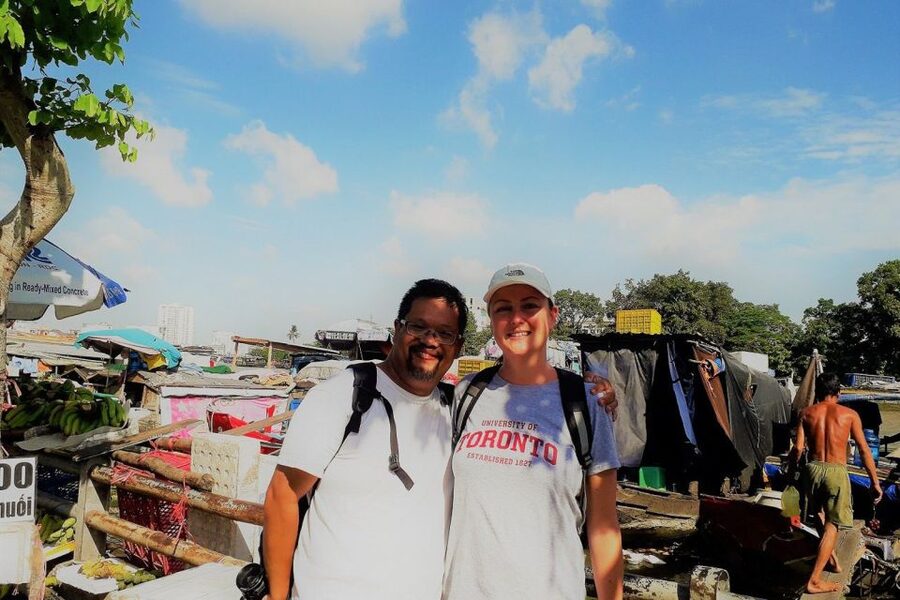
Saigon shows its contrasts quickly. This motorbike tour moves from polished District 1 to riverside communities, old mafia territory, markets, and poorer neighborhoods where daily life follows a different rhythm. I like the local scale of the ride and the chance to hear people’s stories through guides such as Duy, Anna, Peter, and Rosalyne. I also like the charity food stall, where a rice meal costs only 2,000 VND.
The main drawback is time. A two-hour version can feel rushed because a good part of the outing goes toward riding between districts. The four-hour option gives the subject room to breathe, but you should also be comfortable seeing poverty as part of a real city, not as a staged attraction.
What makes this Saigon tour different
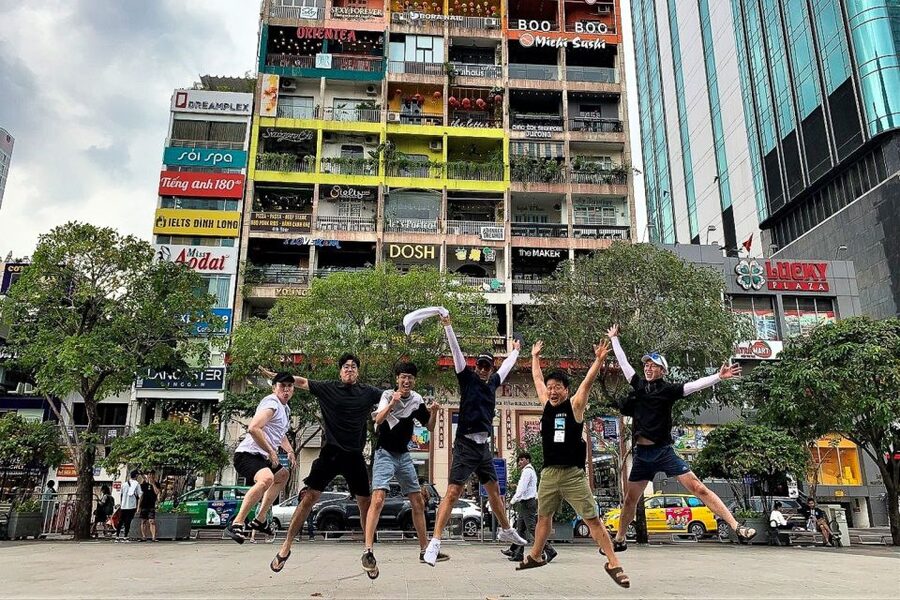
- The city changes under your helmet: You ride from wealthy central streets to communities along the river and outside the tourist core.
- Several kinds of poorer districts: The route can include central slum areas, the old mafia area, riverside settlements, areas being dismantled and rebuilt, and a floating market.
- A local view of social change: Guides explain how people earn a living, how neighborhoods have changed since the war, and how government support affects these communities.
- Motorbike travel feels genuinely local: You sit behind a Vietnamese driver rather than watching the city through a tour bus window.
- Small stops add texture: Depending on the route, you may stop for coconut, coffee, another local drink, a riverside fruit market, or a charity food stall.
- Strong safety feedback: The transport receives a 96 percent perfect score, and many riders specifically praise the drivers’ care in Saigon traffic.
From luxury towers to working-class alleys
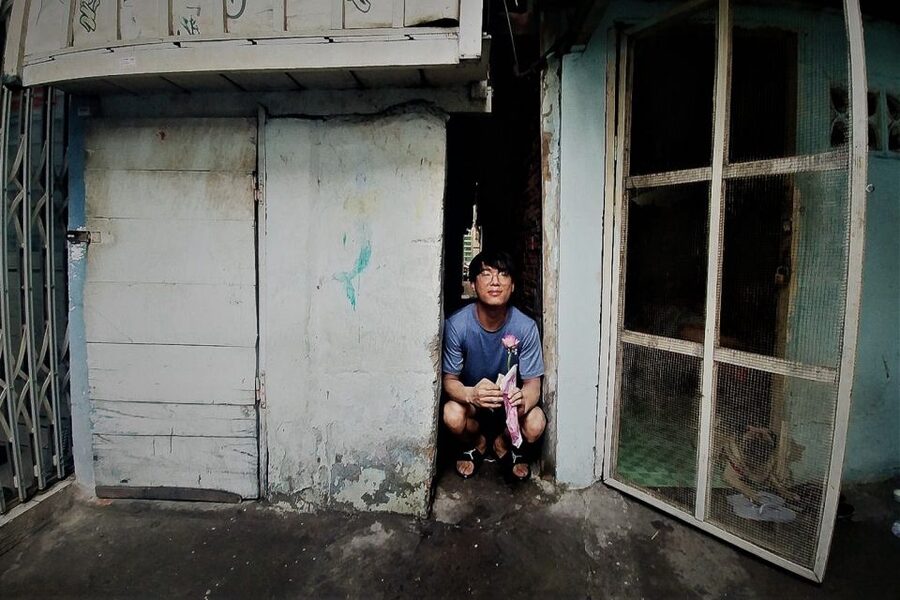
The most useful part of this experience is the opening contrast. Saigon, officially Ho Chi Minh City, can look glossy and wealthy around its central hotels, shopping streets, and modern apartment buildings. A short motorbike ride can then carry you into places with older housing, narrower lanes, and far fewer signs aimed at international visitors.
That shift gives the tour a clear purpose. You are not simply collecting another market or coffee stop. You are looking at how one city holds very different incomes, housing conditions, and work patterns close together.
The route may take you from the center through Districts 5, 6, and 7, then toward riverside areas and neighborhoods farther out. The exact order can change, especially with traffic, weather, and the selected tour length. You should think of this as a moving city lesson rather than a fixed list of monuments.
The motorbike matters here. From the back seat, you can see shopfronts, small lanes, roadside work, and changing buildings at eye level. You also cover more ground than you would on foot. That makes it possible to compare several districts in one morning, though it also means some details pass quickly.
A few more rides around Ho Chi Minh City worth a look
- Ho Chi Minh City Street Food Tour & Sightseeing By Motorbike
★ 5.0 · 9,413 reviews - Saigon By Night and Street Food By Motorbike | Opt: Ao Dai Riders
★ 5.0 · 4,066 reviews - Private Street Food Tour by Motorbike/Car with Local Students
★ 5.0 · 3,950 reviews
What you see in the old mafia area
One stop focuses on an area once associated with organized crime and rougher street life. The value is not in turning the neighborhood into a crime story. It is in hearing how the district developed, how its reputation affected local life, and what has changed as Saigon grew.
Your guide is important here. Duy, who has guided several versions of this tour, has been praised for mixing history with humor and everyday observations. Other guides, including Hana, Flora, Jay, and Dess, have also been singled out for making the ride personal and easygoing.
Expect interpretation rather than a formal museum presentation. You may hear about older city life, postwar changes, and the pressure created by development. If you want dates and grand historical detail, this will feel light. If you want to understand how a local sees the city’s past while riding through its present, it works well.
The pace can be one of the tour’s strengths. A guide may slow down at a point of interest, answer questions, or let you walk through an area. On a longer tour, that flexibility gives the experience a more natural feel than a strict checklist.
Riverside communities and homes in transition
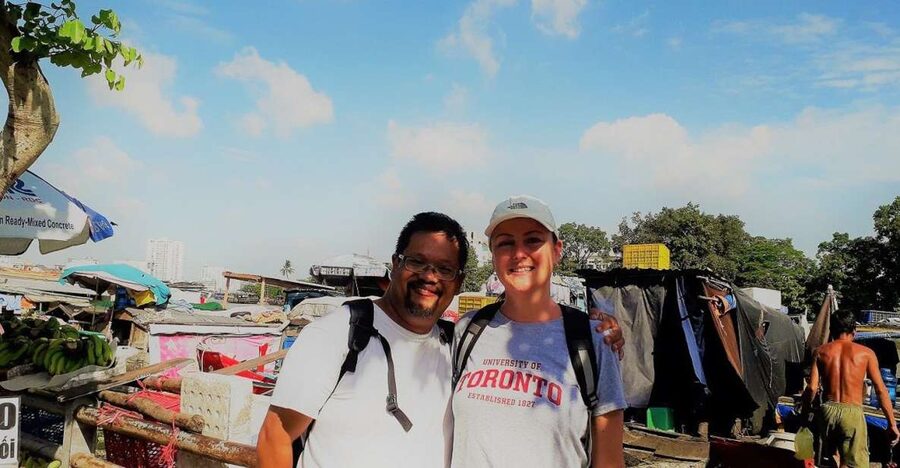
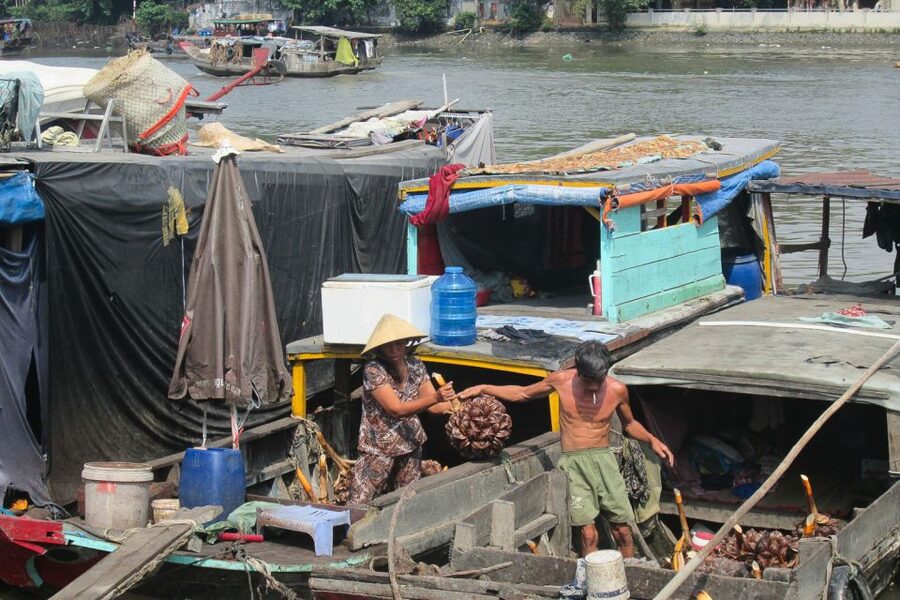
The riverside sections show another side of Saigon’s housing problem. Some communities sit close to water and major city districts, yet feel far removed from the polished streets nearby. You may see areas being dismantled, rebuilt, or changed by wider plans for redevelopment.
This is where the tour can feel most serious. Housing is not just a backdrop. It affects work, family life, transport, sanitation, and the ability to stay near the city’s jobs. Your guide explains how residents make a living and how government support relates to these communities.
The wording matters. The term slum can flatten many different situations into one label. On this outing, you visit several poorer areas rather than one single type of neighborhood. Some are in the center, some along the river, some outside the core, and some are changing fast.
I would treat the ride as an introduction, not a complete study of urban poverty. You will see conditions and hear local explanations, but a few hours cannot answer every question about housing policy or income. That limit does not make the experience worthless. It simply helps you keep your expectations honest.
You should also behave with care. Listen first, avoid treating residents as scenery, and ask before taking close photographs. A smile and respectful manner go a long way, a point echoed by the warm encounters described during the tour.
The 2,000 VND charity food stop
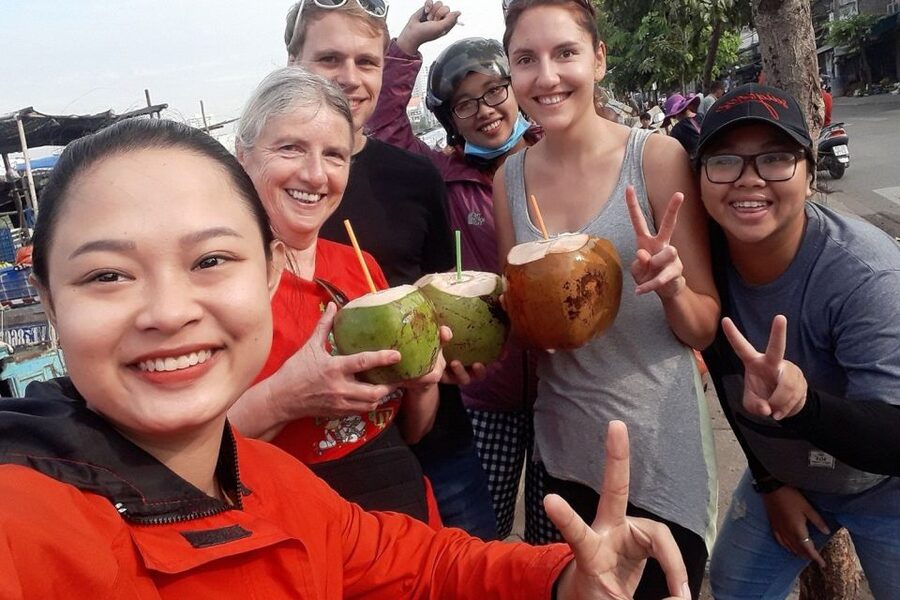
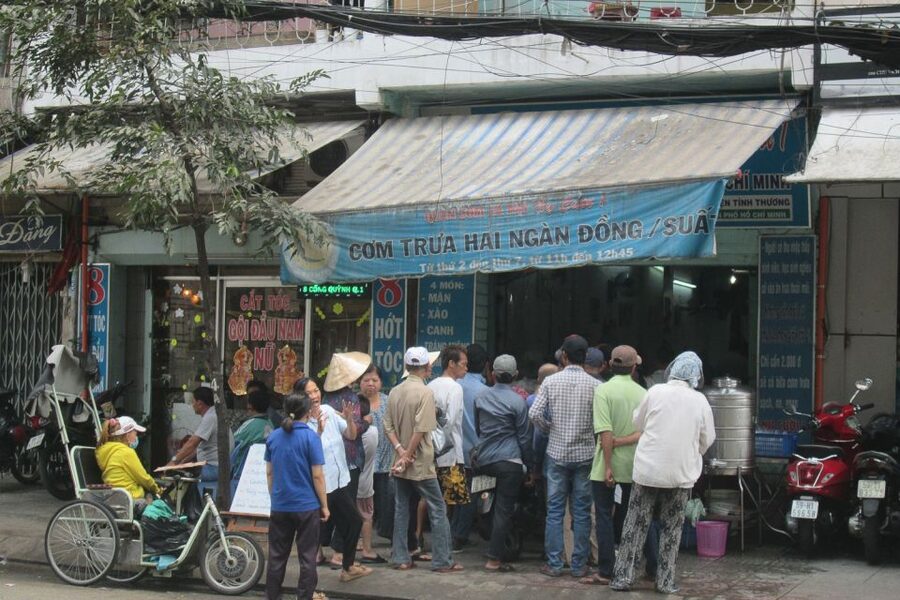
One of the most memorable details is the charity food stall, where a rice meal costs only 2,000 VND. The stop offers a concrete example of how people and small organizations support those with limited money.
Do not expect a restaurant meal or a long food tour. This is a brief local stop connected to the social subject of the morning. It helps turn an abstract conversation about poverty into something you can see in ordinary practice: an inexpensive meal, a modest stall, and a service aimed at people who need it.
Additional food is not included, so bring money if you want to buy something beyond the included drink. Coconut, coffee, or another local drink is provided, and some routes include a market or coffee stop. One guide even showed a rider how Vietnamese coffee is made behind the scenes, which adds a pleasant everyday detail to a serious morning.
Food choices may depend on the route and the guide. If you have dietary needs, ask before booking or at the start of the tour. The supplied information does not promise a particular menu beyond the charity rice stop and one local drink.
Same roads, a very different day in the saddle:
- Saigon: Street Food Tasting & Sightseeing Tour by Motorbike
★ 4.9 · 3,578 reviews - Top Notch Street Food Motorbike Tour In Ho Chi Minh City
★ 5.0 · 2,667 reviews - Private Street Food Motorbike Tour in Ho Chi Minh City
★ 5.0 · 2,180 reviews - Ho Chi Minh City Motorbike Tour with Student | Saigon Adventure
★ 5.0 · 1,697 reviews
Markets, churches, condominiums, and ordinary streets
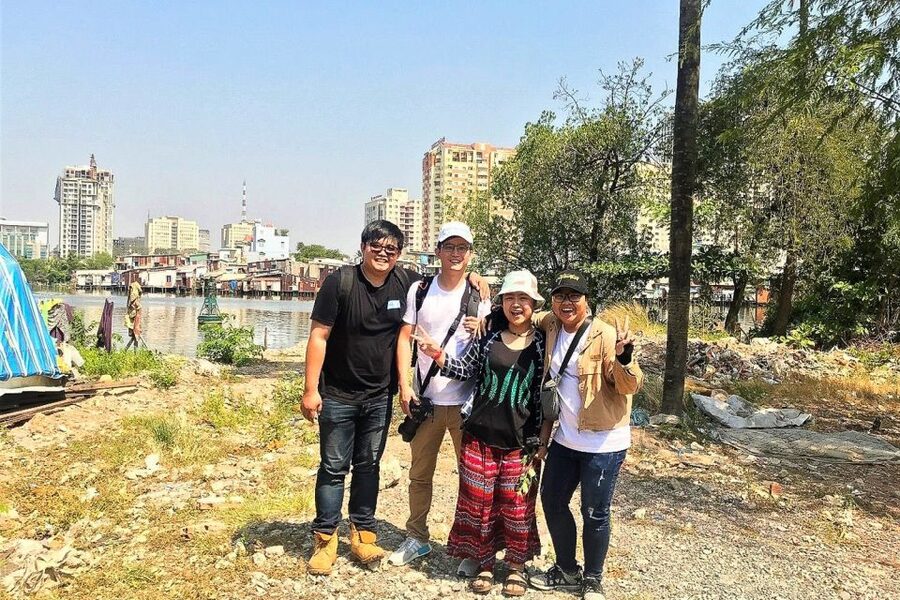
The tour is not limited to poor neighborhoods. You may also pass markets, churches, condominiums, fruit stalls, and more ordinary residential areas. That mixture is useful because it keeps the city from becoming a simple rich-versus-poor display.
A stop at a riverside fruit market, for example, can show how trade operates in a working neighborhood. Condominiums point to newer construction and changing land values. Churches and other local buildings add clues about the communities that have grown around these districts.
The tour can also be adapted in small ways. A guide may add a coffee stop, answer questions about food, or spend more time in an area that interests you. One rider described walking through alleys they would not have visited alone. That is a major advantage of having a local driver who knows where to go and how to move through the city.
The tradeoff is that you will not get the same depth at every stop. The tour covers a lot of ground, so some places are viewed from the bike or visited briefly. If you prefer one market or neighborhood explored in detail, a walking tour may suit you better.
The floating market and life beyond District 1
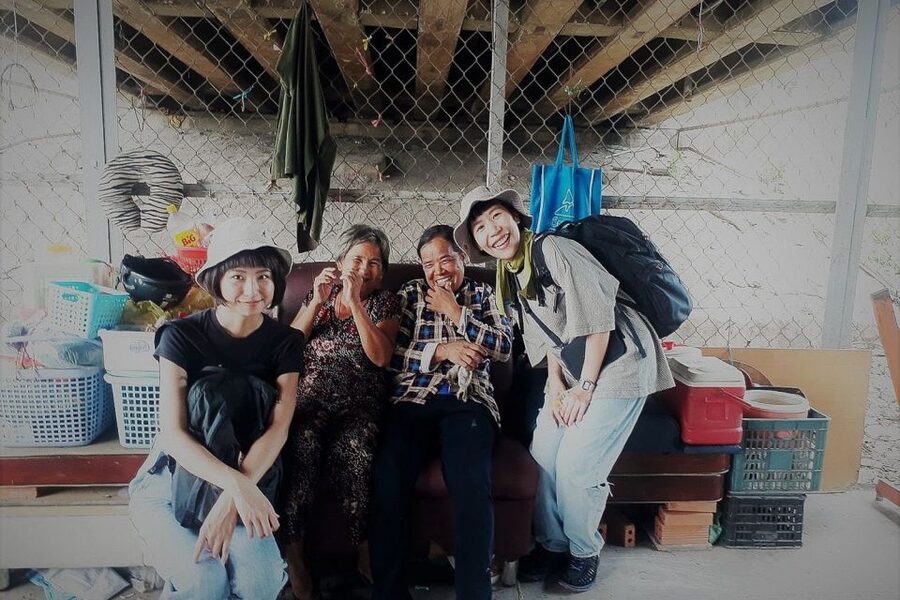
The floating market is another reason the route feels wider than a standard city tour. It adds a water-based trading setting to the mix of central streets, alleys, and riverside communities.
The supplied details do not promise a specific size, schedule, or number of vendors, so do not book this expecting a major market spectacle. Think of it as one part of a broader look at how people work around Saigon’s waterways.
The districts beyond the center also matter. They show that the city does not end at the familiar hotel zone. You might see less polished streets, different housing, and work tied more closely to local neighborhoods. The guide’s explanation is what connects these views to the larger story of migration, rebuilding, and urban growth.
For the clearest contrast, do this after you have spent some time in central Saigon. One rider suggested first seeing the classic tourist areas, then taking this tour on the second day. That order makes sense: you understand the polished center before the motorbike takes you behind it.
What the four-hour schedule feels like
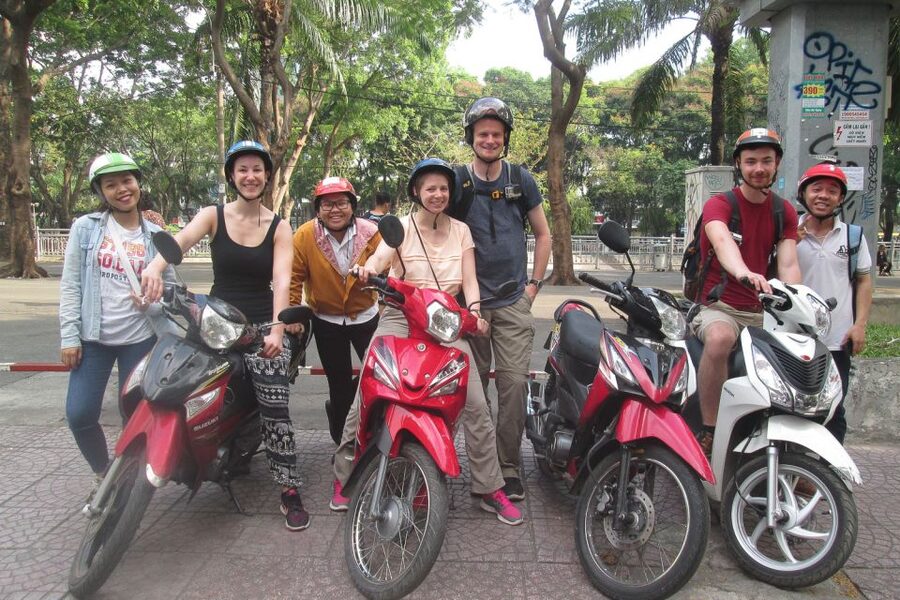
Pickup is normally at 8:00 AM for the four-hour outing, with collection from hotels in Districts 1, 3, or 4. You should be in the lobby five minutes before departure. If you stay elsewhere, the operator charges an extra 5 USD per person, or you can meet at 212 Le Lai in District 1 or at the Saigon Opera House, depending on the arrangement provided.
You ride behind a local driver, wearing a helmet. Ponchos are available, which is useful in a city where rain can arrive suddenly. Comfortable shoes are the only listed item to bring, but practical clothing and protection from the sun also make sense.
A four-hour ride gives enough space for several districts, stops, conversation, and refreshment breaks. Simon described being collected in heavy rain, waiting for it to ease, then continuing safely through the city. That kind of flexibility is valuable because weather can alter a motorbike morning.
The two-hour option is cheaper in time, not necessarily better value. One rider felt that two hours was short because about a third of the outing went toward transport. If you want the social and historical side explained properly, choose the longer version when available.
Duration is listed as two to four hours, with start times subject to availability. The activity is offered in English. Private tours cost an additional 5 USD per person.
Is riding on the back of a motorbike safe?
Traffic in Ho Chi Minh City can look chaotic from the pavement. From the back seat, it can feel surprisingly calm once you trust the driver and settle into the rhythm.
Safety is the experience’s most consistent practical strength. Riders repeatedly praised drivers for careful handling, and the transport has a 96 percent perfect rating. Guides such as Rosalyne, MayLin, My, and Wibu were described as making people feel comfortable, including a first-time motorbike passenger in her fifties.
That said, you should not pretend this is a quiet road trip. You are riding in a busy Asian city, and traffic conditions can be intense. If you dislike motorcycles, feel unsteady as a passenger, or have a medical reason to avoid them, ask about the car option before booking.
A seven-seat car costs an additional 50 USD, while a 16-seat van costs an additional 70 USD. The vehicle option must be arranged at least 24 hours ahead, and prices can change on holidays and special dates. The car is described as support from the operator, not a commission-based upgrade.
Price, inclusions, and what you really receive
At 16 USD per person, the standard tour is strong value if you want transport, a local guide, several districts, and a city view that would be hard to arrange alone. The price includes hotel pickup and drop-off in Districts 1, 3, and 4, the motorbike, helmet, poncho, photos, one local drink, and accident insurance.
The value comes less from entrance tickets and more from access and interpretation. You are paying to move safely through places you might not choose or know how to visit independently. You also gain a local person who can explain what you are seeing instead of leaving you to make quick guesses.
Food and personal purchases are not included. Pickup outside the free districts costs extra, and Vietnamese public holidays can bring large surcharges: 100 percent for the two-hour tour and 50 percent for other tours on listed dates. Check those charges before you commit to a holiday booking.
Free cancellation is available up to 24 hours before the activity, and you can reserve now and pay later. Those terms help if your Saigon schedule is still shifting.
Who should book this experience?
I would choose this tour if you want to understand Saigon through people, neighborhoods, and daily work rather than only famous buildings. It suits first-time visitors who have at least a day or two in the city, especially those willing to spend time outside the central tourist zone.
It also works well for solo riders. Several bookings turned into one-to-one tours, and the guide becomes an important part of the experience. Guides are frequently praised for humor, warmth, English, and local insight, with Duy, Anna, Peter, Jay, Rosalyne, Hana, Flora, and Wibu all receiving especially warm attention.
Families and older riders should think about comfort, traffic, and the length of the motorbike ride. A car or van is possible, but it costs more and must be booked ahead.
I would skip this if you want a polished sightseeing circuit, a formal museum-style lecture, or a food tour built around many tastings. I would also avoid it if visiting poorer communities feels uncomfortable or if you would rather not deal with changing conditions and a moving itinerary.
Should you book the Saigon Slum Tour with Motorbike?
Book it if you want a human view of Ho Chi Minh City and can approach the subject with respect. The best parts are the motorbike access, the strong guides, the shift from luxury streets to riverside communities, and the chance to ask direct questions about work, housing, and social change.
Choose four hours if your schedule allows. The short version may give you the outline, but the longer ride gives the conversations and stops more room. Book the car option if you do not want to ride, and confirm pickup fees and holiday surcharges before paying.
At 16 USD, this is an inexpensive way to see a side of Saigon that standard sightseeing rarely covers. It is not light entertainment all the way through, but that is exactly why it can remain with you after the motorbike is parked.
FAQ
How long does the Saigon Slum Tour with Motorbike last?
The tour lasts between two and four hours, depending on the option and available start time. The four-hour version gives more time for districts, stops, and discussion.
What time does the four-hour tour start?
Hotel pickup for the four-hour tour begins at 8:00 AM. You should wait in your hotel lobby five minutes before departure.
Where is free hotel pickup available?
Free pickup and drop-off are available at hotels in Districts 1, 3, and 4. A meeting point is also available at 212 Le Lai in District 1 or at the Saigon Opera House, according to the pickup information provided.
Is pickup outside Districts 1, 3, and 4 free?
No. Pickup outside those districts costs an extra 5 USD per person, charged by the operator on the service day.
What is included in the price?
The 16 USD price includes local guides, motorbikes, helmets, ponchos, photos, one local drink, accident insurance, and pickup and drop-off within the stated districts.
Is food included?
Additional food is not included. The tour does visit a charity food stall where a rice meal costs 2,000 VND, and one local drink, such as coconut or coffee, is included.
Is the tour offered in English?
Yes. The tour includes a live English-speaking guide.
Can I book a car instead of a motorbike?
Yes. A seven-seat car costs an additional 50 USD, and a 16-seat van costs an additional 70 USD. The vehicle option must be booked at least 24 hours in advance, and holiday prices may change.
Can I cancel the booking?
Yes. You can cancel up to 24 hours in advance for a full refund. The reserve-now, pay-later option is also available.
Just added around Ho Chi Minh City
- Visit 5 Districts & The Hidden Gems In Saigon By Motorbike★ 5.0 · 8 reviews
- Experience Saigon Cuisine: Food Tour by Motorbike or Car★ 5.0 · 7 reviews
- Private Shore Excursion from Phu My Port: Food & Sights by Motorbike★ 5.0 · 10 reviews
- Ho Chi Minh city Sightseeing or Midnight nightlife by motorbike★ 5.0 · 3 reviews
- Saigon Homies – Street Food Tour By Motorbike/Car/Walking★ 5.0 · 3 reviews
- Street Food Tour In Ho Chi Minh City By Motorbike★ 5.0 · 2 reviews
- Saigon Half Day Shopping Tour by Motorbikes – KissTour★ 5.0 · 4 reviews
- Food Tour by motorbike with local students★ 5.0 · 7 reviews
Ho Chi Minh City Motorcycle Tours, compared.
Ho Chi Minh City Street Food Tour & Sightseeing By Motorbike
Read our review →
Saigon By Night and Street Food By Motorbike | Opt: Ao Dai Riders
Read our review →
Private Street Food Tour by Motorbike/Car with Local Students
Read our review →
Street Food Tasting & Sightseeing Tour by Motorbike
Read our review →
Top Notch Street Food Motorbike Tour In Ho Chi Minh City
Read our review →
Private Street Food Motorbike Tour in Ho Chi Minh City
Read our review →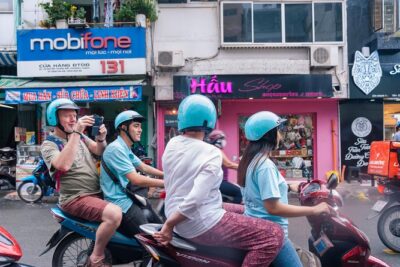
Ho Chi Minh City Motorbike Tour with Student | Saigon Adventure
Read our review →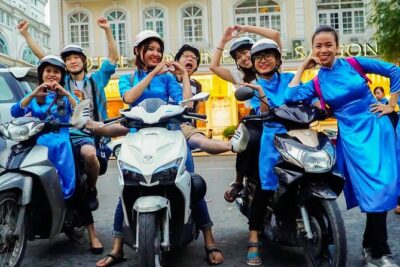
Ho Chi Minh Night Tour by Motorbikes with Female Rider | KissTour
Read our review →Browse the lists this tour appears in