
REVIEW · VIETNAM MOTORCYCLE TOURS
Motorbike tour Phong Nha to Hue (vice versa) by Mr T Easy Rider
History meets open-road scenery. This three-day motorbike trip from Phong Nha to Hue takes you through central Vietnam by way of war memorials, ethnic villages, waterfalls, beaches, fishing communities, and imperial landmarks. I like the small-group private format, and I especially like that experienced drivers handle the motorbikes while you watch the views instead of worrying about traffic.
The tour costs $240 per person and includes your hotel, driver-guide, drinking water, and entrance fees. Food and drinks are extra, and the days can feel full, with several stops and long stretches on the road. That is the main consideration: this is not a lazy transfer. It is a three-day road trip for people who want to see more than the direct route.
Key points to know before booking
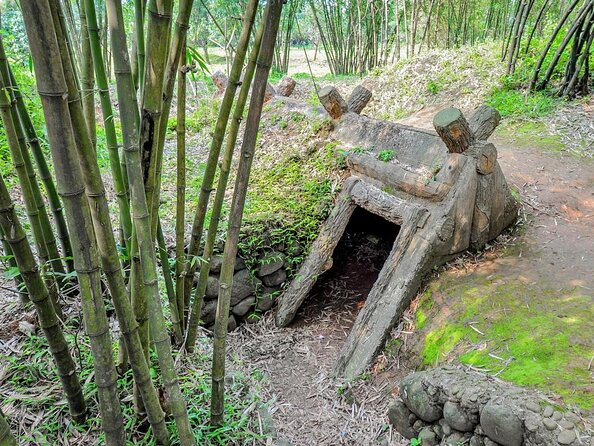
- You ride tandem with an experienced driver, so you do not need to operate the motorbike yourself.
- The route connects war history with village life, including Khe Sanh, the Vinh Moc Tunnels, Hien Luong Bridge, and a Paco homestay.
- Chenh Venh Waterfall offers a proper nature break, with time to relax and swim in cool pools.
- Day three changes pace, moving from My Thuy Beach and Tam Giang Lagoon to Hue’s Citadel and Thien Mu Pagoda.
- The $240 price includes hotels and admission fees, but meals and drinks come out of your pocket.
- You can travel in either direction, from Phong Nha to Hue or from Hue to Phong Nha.
Why this route is more than a simple transfer
The usual way to move between Phong Nha and Hue is by bus, car, or train connection. Those options get you there. This motorbike tour gives you a much better sense of the central Vietnamese countryside along the way.
You pass through Quang Tri Province, an area where the Vietnam War still shapes the towns, roads, cemeteries, museums, and local memories. You also see places that are easy to miss from a highway window, including a Paco village, a waterfall near the mountains, a working lagoon, and the remains of a failed water park outside Hue.
The private format matters. Only your own group takes part, which gives the guides room to adjust the pace within the planned route. Mr T is described as well organized and a good communicator, with Hoa and Hoa also serving as guides on one three-day trip. You will want to confirm the guide names and pickup details before departure, but the arrangement suggests a personal experience rather than a large coach excursion.
The motorbike setup is also important. The experience is designed for you to sit behind a driver, not to rent and operate your own bike. That makes the trip more approachable if you are not comfortable riding in Vietnam. You still get the open-air views and the feel of the road, without having to navigate the traffic yourself.
More Easy Rider Tours in Vietnam:
- Easy Rider private tour via Hai Van pass from Hue – Da Nang – Hoi An (1Way|Loop)
★ 5.0 · 1,542 reviews - Ha Giang Loop 4 Days 3 Nights Motorbike Tour with easy Rider
★ 5.0 · 972 reviews - High Quality Small Group With Easy Riders 3 Day + Private Room
★ 5.0 · 829 reviews
Day one: the Ho Chi Minh Trail, Paco village, and Khe Sanh
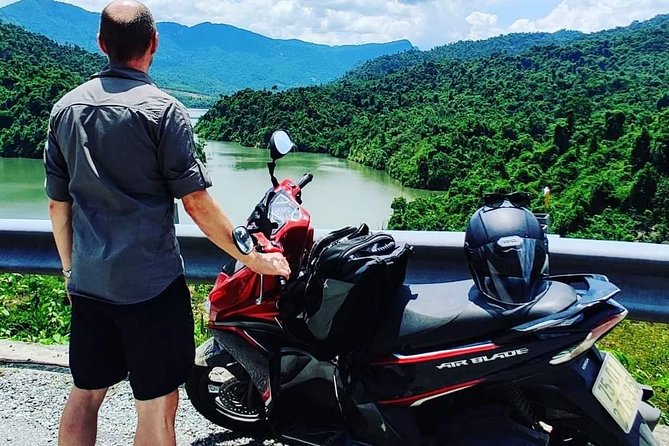
The first day focuses on the western side of Quang Tri Province. This is the most war-centered part of the trip, but it is not limited to military sites.
Ho Chi Minh Trail Monument
The Ho Chi Minh Trail, also called the Truong Son Trail, was a large network of roads, paths, and waterways used to move troops, weapons, and supplies from North Vietnam toward the south. Parts of the route passed through Laos and Cambodia, and the roads were often moved, concealed, or damaged by bombing.
The monument gives you a starting point for understanding why this mountainous area mattered. The trail began construction in 1959 under Group 559, a logistical unit of the People’s Army of Vietnam. Its importance was strategic, but the setting also helps explain the difficulty of moving through this region.
The itinerary allows about four hours here. That is a substantial amount of time, so ask your guide how the visit will be organized. The stop may involve more than a quick photo break, and the long duration could feel heavy if you are mainly interested in scenery. For anyone who wants a clear introduction to the route’s wartime role, it is useful context for the rest of the day.
Van Kieu village homestay
The Van Kieu stop introduces local ethnic culture through a small Paco community. The Paco people live mainly in central Vietnam, including Quang Tri Province, and traditionally grow rice, maize, and vegetables. Hunting and fishing have also played a role in local life.
The visit lasts about 40 minutes, so expect an introduction rather than an extended cultural program. The Paco social structure centers on extended families, and traditional beliefs include animism, with nature playing an important role in rituals and daily life.
The tour description highlights the value of showing children minority communities directly rather than only explaining them in a museum. I agree with that idea, though families should remember that a short stop cannot explain every part of Paco culture. Approach the village with respect, listen to the guide, and treat it as a brief meeting with a living community, not a staged show.
A few more rides around Vietnam worth a look
- Ho Chi Minh City Street Food Tour & Sightseeing By Motorbike
★ 5.0 · 9,413 reviews - Hanoi Motorbike Tour: Food, Culture and Fun by Vintage Motorbike
★ 5.0 · 6,699 reviews - Saigon By Night and Street Food By Motorbike | Opt: Ao Dai Riders
★ 5.0 · 4,066 reviews - Private Street Food Tour by Motorbike/Car with Local Students
★ 5.0 · 3,950 reviews
Chenh Venh Waterfall
After the war sites, Chenh Venh Waterfall gives the day a welcome change of mood. Water runs down from the mountains through forest and rocky cliffs into clear, cool pools.
You have about an hour here, enough time to sit by the water, take photographs, and possibly enjoy a refreshing dip. The sound of the falls and the shade of the forest make this one of the best pauses on the route.
Bring suitable clothing if you want to swim, along with something to cover up afterward. The tour supplies drinking water, but you should still carry any personal items you need for a wet stop. This is also a good place to pace yourself. Three days on a motorbike can be tiring, and a quiet hour beside the falls is more valuable than rushing from one historical site to the next.
Khe Sanh Combat Base
Khe Sanh Combat Base was a major American military installation near the Laos border. It became famous during the 1968 Battle of Khe Sanh, one of the Vietnam War’s most intense engagements.
The base mattered because it sat near the Ho Chi Minh Trail and important routes toward Laos. The one-hour visit works best when your guide explains how the location, roads, and border area affected the battle.
Do not expect a preserved European-style fortress. The value is in the location and the surrounding story. This is a place where the geography helps you understand why military planners on both sides cared so much about a remote mountain base.
Day two: Road 9, cemeteries, and the divided country
The second day continues through places tied closely to the war and its aftermath. It is the most emotionally serious day of the trip.
Road 9 and Dakrong Bridge
Road 9 was known as the path of heroes and led toward Khe Sanh. During the war, it carried supplies and reinforcements toward the base while North Vietnamese forces attempted to disrupt access.
The stop lasts about 40 minutes. It is not just a road viewed from a passing vehicle. Your guide can help connect the route to the military campaigns and the movement of supplies through the region.
At Dakrong Bridge, you spend about 20 minutes. The bridge was used to transport supplies from north to south during the war. This is a short stop, likely best treated as a viewpoint and a piece of the route’s broader story rather than a major attraction on its own.
Truong Son Martyrs’ Cemetery
The Truong Son National Military Cemetery is described as the largest cemetery for soldiers in Vietnam. You have around 40 minutes here.
This is a place for quiet attention. The cemetery brings the human cost of the conflict into focus after the roads and bases have explained its military side. Dress respectfully and follow your guide’s instructions.
For families, this stop may lead to meaningful conversations about war, sacrifice, and how Vietnam remembers those who died. Younger children may find it difficult or solemn, so parents should decide how much context to provide before arriving.
Hien Luong Bridge and the Ben Hai River
Hien Luong Bridge crosses the Ben Hai River, which marked the former division between North and South Vietnam after the 1954 Geneva Accords. The division was intended to be temporary, but it lasted until reunification in 1975.
You have about an hour at the site. The bridge is more than a historic crossing. It represents the political split that shaped Vietnam for decades, and the river gives that story a clear physical point.
This is one of the route’s strongest history stops because the border is easy to picture. You can look at the river and understand, in a simple way, how a national division became part of daily life.
Vinh Moc Tunnels
The Vinh Moc Tunnels are among the most memorable places on the route. Local people built the underground network in the late 1960s to shelter from heavy bombing and to protect civilians and soldiers.
You have about an hour to see the tunnels. The visit gives you a direct sense of how ordinary families adapted to war. Underground spaces can be narrow and uncomfortable, so anyone who dislikes confined areas should consider that before booking.
The tunnels are not simply military ruins. They show how entire communities reorganized daily life under attack. That human scale makes the stop especially worthwhile.
Day three: My Thuy Beach, Tam Giang Lagoon, and Hue
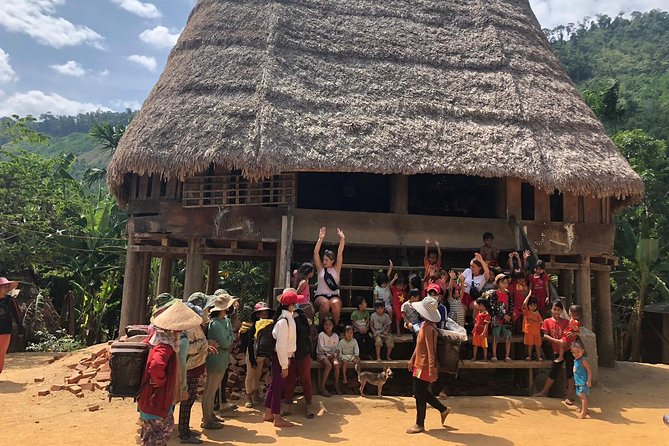
The final day shifts away from wartime sites and toward water, food production, religion, and royal history. It also contains the busiest sightseeing schedule.
My Thuy Beach
My Thuy Beach offers a long stretch of golden sand and clear water. You have about an hour here, making it a pleasant morning break after the previous day’s serious sites.
The beach stop is simple, but that is part of its appeal. You can stretch your legs, take photographs, and enjoy the coast without adding another museum or historical explanation to the day.
Crossing Tam Giang Lagoon by ferry
Tam Giang Lagoon is a vast brackish water system in Hue Province. It covers about 20,000 hectares and stretches roughly 70 kilometers along the coast. Three rivers feed it, which explains the name Tam Giang, meaning three rivers.
The lagoon crosses four districts: Phu Loc, Phu Vang, Phong Dien, and Quang Dien. The tour includes a ferry ride of about 30 minutes, during which you can learn about fishing and local life on the water.
This is one of the more distinctive parts of the route. Instead of only looking at scenery, you get a brief introduction to how people work around the lagoon. Do not expect a full fishing course in half an hour, but the stop adds practical local detail to the trip.
Hue Imperial City
The Hue Citadel was the imperial capital of the Nguyen Dynasty from 1802 to 1945. The complex is a UNESCO World Heritage Site and one of Vietnam’s most important cultural landmarks.
Two hours gives you enough time for a meaningful visit, though not every corner of the complex. Wear comfortable clothing and be ready for walking. The Citadel is the grand historical finale of the tour, and its royal buildings provide a sharp contrast with the war sites and rural communities from the earlier days.
I like the order here. You reach Hue after seeing the countryside and understanding some of the region’s modern history. The imperial complex then adds a much older layer of Vietnamese political and cultural life.
Thien Mu Pagoda
Thien Mu Pagoda sits on a hill above the Perfume River. It was first built in 1601 during the reign of Lord Nguyen Hoang, and its name means Heavenly Lady.
The visit lasts around 40 minutes. The pagoda is one of Hue’s best-known landmarks, but it is not only a photo stop. Its position above the river and its long connection with the city make it a useful introduction to Hue’s religious and royal character.
Thuy Tien Water Park and the dragon statue
The abandoned Thuy Tien Water Park is an unusual final stop. Built in the early 2000s, it was intended as a major attraction but was never completed and was later abandoned because of management and financial problems.
The site became known for its decaying structures, rusty slides, overgrown areas, and large abandoned creature statue. You have about 40 minutes to see the dragon statue and the remains of the park.
This stop will appeal to photographers and anyone who enjoys unusual places. It is less suitable if you prefer polished monuments and formal museums. Conditions at abandoned sites can change, so follow the guide and stay aware of where you walk.
What the $240 price includes
At $240 per person, the tour is not the cheapest way to travel from Phong Nha to Hue. But it includes several costs that can quickly add up on a private three-day trip:
- Hotel accommodation
- Experienced driver and guide
- Drinking water
- Entrance fees
- Pickup service
- Drop-off anywhere in Hue at the end of the tour
Food and drinks are not included. That gives you some control over spending, but you should budget for meals, snacks, and extra drinks across three days.
The price makes the most sense if you value the stops and the private format. If you only need transport between the two cities, a bus or car will cost less and take less time. If you want a guided road trip with history, scenery, local culture, and admission fees handled, the value is much better.
The tour is also flexible in direction. You can travel from Phong Nha to Hue or reverse the same itinerary from Hue to Phong Nha. The order of the stops changes, but the main experiences remain the same.
Who should book this motorbike trip?
I would recommend it to you if you want to see central Vietnam at road level and are happy with a full schedule. It works particularly well for:
- Couples or friends who want a private experience
- Families seeking cultural and historical stops beyond the usual city sights
- People who do not want to drive a motorbike themselves
- History enthusiasts interested in the Ho Chi Minh Trail and former war sites
- Photographers who like waterfalls, beaches, lagoons, temples, and abandoned buildings
It may not suit you if you want long mornings in bed, predictable travel times, or a resort-style holiday. The itinerary covers many places, and the combination of road time, walking, heat, and historical sites can be demanding.
The family angle deserves a little care. Children can learn a great deal from the Paco village, tunnels, cemetery, and lagoon, but the experience includes serious war subjects and motorbike travel. Ask about seating arrangements and age suitability before booking if you are traveling with young children.
Booking, cancellation, and practical advice
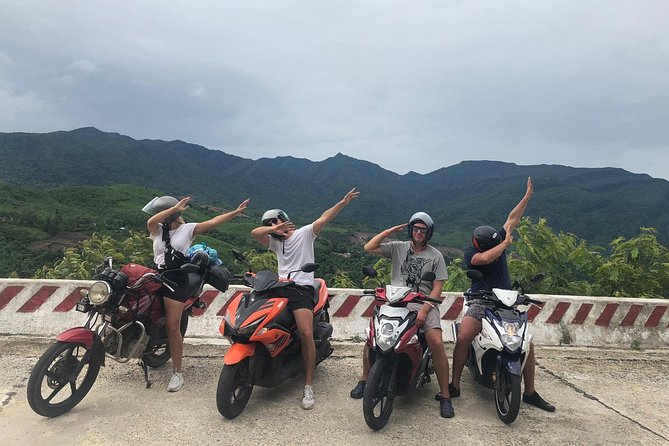
Pickup is offered, and the tour ends at the Hue accommodation or location you choose. Confirmation is provided at booking, and the experience is private for your group.
Free cancellation is available if you cancel at least 24 hours before the start time. Cancellations or changes made less than 24 hours before the start are not refunded or accepted.
Before you leave, confirm the pickup point, hotel arrangements, driver names, and the expected riding time for each day. Wear comfortable clothing, bring sun protection, and pack swimwear for Chenh Venh Waterfall. You should also keep valuables secure during stops and carry any personal medicine you need.
Should you book Mr T Easy Rider?
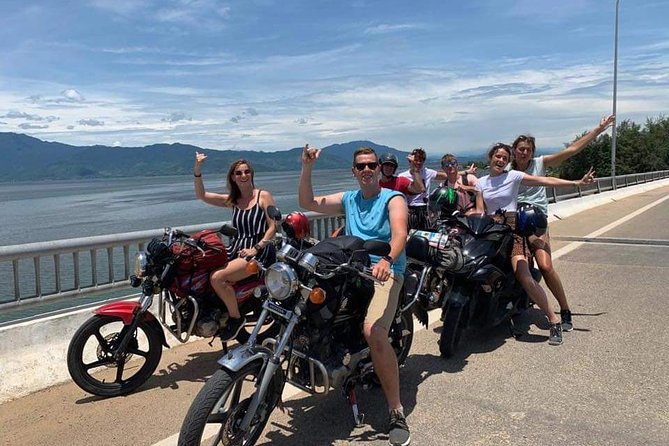
Book this tour if you want the route itself to be the attraction. The strongest parts are the combination of Khe Sanh, Hien Luong Bridge, and the Vinh Moc Tunnels with Chenh Venh Waterfall, Tam Giang Lagoon, and Hue’s imperial sights.
I would choose it over a standard transfer when I had three days available and wanted local context along the way. I would skip it if my priority were the fastest or cheapest trip between Phong Nha and Hue.
The experienced drivers are a major advantage. You can focus on the scenery, and the private setup gives your group a more personal pace. With Mr T, Hoa, and Hoa named as guides for past trips, the operation also appears to have a reliable team behind it. At $240, this is a fair price for a guided three-day road adventure, provided you are ready for long days, extra meal costs, and a serious dose of Vietnam’s wartime past.
FAQ
How long is the Phong Nha to Hue motorbike tour?
The tour lasts approximately three days.
Can the tour run from Hue to Phong Nha?
Yes. The same tour can be operated from Hue to Phong Nha, with the stops visited in the opposite order.
Do I need to drive the motorbike myself?
No. The experience includes an experienced driver and guide. Information from the tour indicates that you can sit tandem rather than operate the motorbike yourself.
Is the tour private?
Yes. Only your own group participates in the private tour.
What is included in the $240 price?
The price includes hotel accommodation, an experienced driver and guide, drinking water, entrance fees, and pickup service.
Are meals and drinks included?
No. Food and drinks are not included in the price.
Are entrance fees included?
Yes. The tour includes entrance fees for the listed sites where admission is charged.
Can I cancel for a full refund?
Yes, if you cancel at least 24 hours before the experience start time. Cancellations made less than 24 hours before the start are not refunded.
Just added around Vietnam
- Visit Villages, Terrace Rice Field with Easy Riders half day★ 5.0 · 2 reviews
- Visit 5 Districts & The Hidden Gems In Saigon By Motorbike★ 5.0 · 8 reviews
- Visit all place in Sa Pa with easy riders★ 4.8 · 5 reviews
- Sapa Loop Full Day Motorbike Tour with Lunch★ 5.0 · 5 reviews
- Sapa Adventure Motorbike Tour With Local Guide★ 5.0 · 12 reviews
- Sapa Motorbike Tour 1 Day| See All Of Rice Fields & Valleys in One Day★ 5.0 · 9 reviews
- From Sa Pa: 4 Day Ha Giang Loop Guided Motorbike Tour With Rider★ 5.0 · 7 reviews
- Sapa Motorbike Tour to Dragon Waterfall and Hidden Village★ 5.0 · 3 reviews
Vietnam Motorcycle Tours, compared.
Ho Chi Minh City Street Food Tour & Sightseeing By Motorbike
Read our review →
Hanoi Motorbike Tour: Food, Culture and Fun by Vintage Motorbike
Read our review →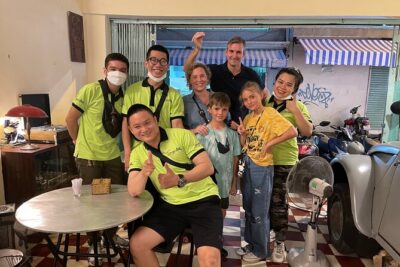
Saigon By Night and Street Food By Motorbike | Opt: Ao Dai Riders
Read our review →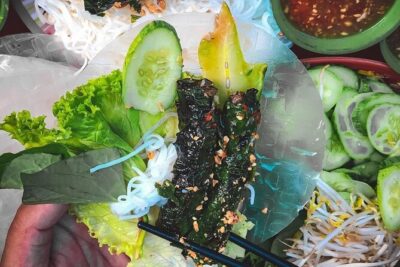
Private Street Food Tour by Motorbike/Car with Local Students
Read our review →
Street Food Tasting & Sightseeing Tour by Motorbike
Read our review →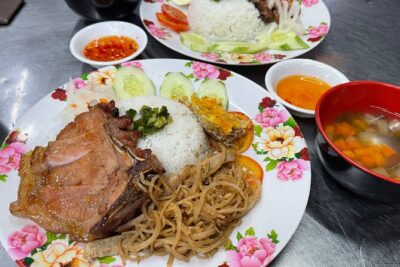
Top Notch Street Food Motorbike Tour In Ho Chi Minh City
Read our review →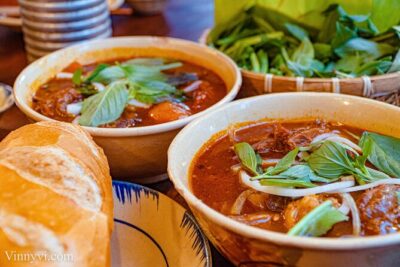
Private Street Food Motorbike Tour in Ho Chi Minh City
Read our review →
Hanoi Motorbike Tours Led By Women: Hanoi By Night Foodie Motorbike Tours
Read our review →Browse the lists this tour appears in